
SpaceX IPO sets up record windfall for Founders Fund, Sequoia, and Andreessen
A handful of venture and growth investors are about to bank one of the largest windfalls in history, as SpaceX prepares to go public at a valuation approaching $1.8tn, according to a Bloomberg report.

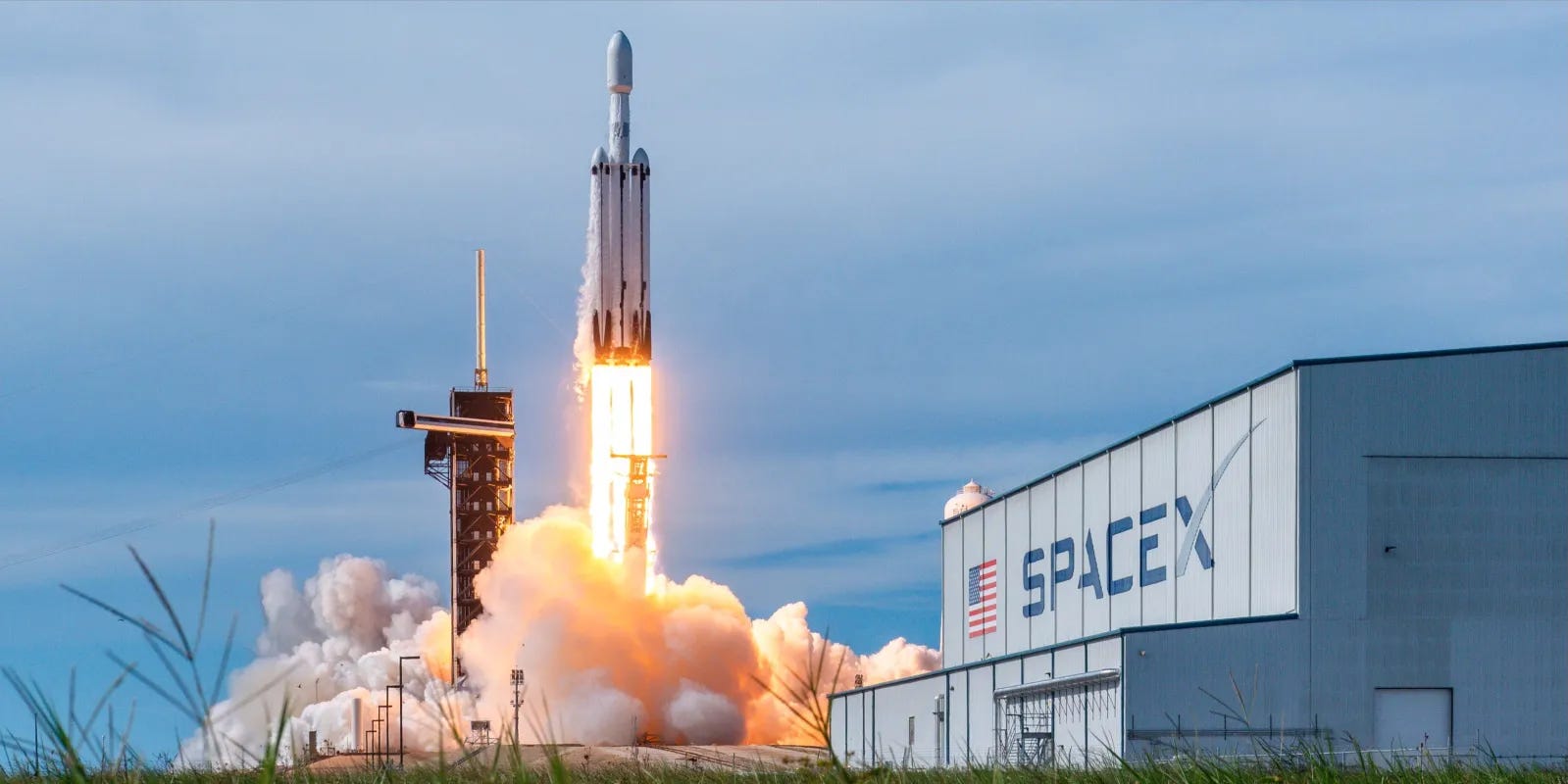
The rocket maker’s listing will hand its earliest backers tens of billions of dollars in paper gains, led by Founders Fund, Sequoia Capital, Andreessen Horowitz, and Valor Equity Partners.
Founders Fund, the firm co-founded by Peter Thiel, stands to gain the most. After investing around $600m across several rounds over nearly two decades, it holds a stake of roughly 3%. At the $135-per-share offer price, that position is worth more than $50bn, a return that ranks among the most lucrative single bets in venture history.
The gains are concentrated among a tight circle of Musk allies. Valor Equity Partners, founded by Antonio Gracias, owns close to 4%, worth nearly $70bn on the IPO paperwork. Sequoia Capital, which first invested in late 2019, holds about 1.5%, a stake now valued at more than $20bn against the roughly $2bn it committed, a sum that included $800m channelled into X, Musk’s social media platform.
Andreessen Horowitz is on course for the biggest return in its history, with a holding worth more than $10bn. DFJ Growth, meanwhile, sits on at least 2%, worth a minimum of $35bn after putting in more than $800m.
SpaceX is set to begin trading on Friday after raising $75bn, the largest IPO on record. In an industry where many companies are staying private for longer, the listing is a rare and emphatic exit, and a vindication of those who backed Musk’s space ambitions more than 20 years ago.
For some, the upside may still be building. Thrive Capital, which first invested when SpaceX was valued at just $38bn, is also a backer of the AI coding startup Cursor, which SpaceX is expected to buy for $60bn later this year. If that deal closes, Thrive’s combined exposure through its direct stake and its Cursor holding would be worth around $10bn.
Smaller early backers, including 137 Ventures with about 1%, round out a roster of investors poised to convert long-held private positions into substantial public-market value.